 Lunarya
Stones in magic
How stones are used in magic and witchcraft: the history, the working, the days and the moon, and which stones go with which purpose.
Long before anybody sorted stones by their chemistry, people carried them for what they were supposed to do: to turn aside the evil eye, to bring a lover back, to keep a traveller safe on the road. Witchcraft today, from the cunning folk of the villages to the covens of modern Wicca, still uses them that way: as the anchor of a spell, the weight in a charm bag, the focus of a ritual. This page sets out how that is done and where it comes from, beside the mineralogy on every stone's own page.
This describes a practice; it does not vouch for one. No spell has been shown to work in the sense its words claim. What a ritual does well is gather a mind around what it wants, which is real enough to be worth describing honestly. Nothing here is medicine, and the safety notes are not folklore.
Where it comes from
The oldest stone magic is the amulet: a carnelian, a lapis bead or a piece of jasper worn against harm, found in graves from Mesopotamia to Egypt to the Danube. The Greek magical papyri of Roman Egypt prescribe gems engraved with gods and secret names, and thousands of those engraved magical gems survive. Pliny, writing in the first century, recorded the magicians' claims for stones mostly to mock them, which is how many of them survived.
The Middle Ages wrote the lapidaries: Marbod of Rennes's book of stones in verse in the eleventh century, and the Arabic Picatrix, put into Latin at the court of Alfonso X of Castile in the thirteenth, which taught how to engrave a stone with an image at the hour its planet was strong. Cornelius Agrippa's Three Books of Occult Philosophy (1533) sorted stones under the seven planets by colour and nature — the red under Mars, the yellow and bright under the Sun, the dark and heavy under Saturn — and that sorting is still the backbone of planetary magic.
Village magic kept charms of its own: holed flints hung up against nightmares, prehistoric axes kept in the rafters as thunderstones, charm stones dipped in water for sick cattle, and in Romania the red thread tied on against deochi, the evil eye, and the mărțișor, the red and white cord given on the first of March for luck. Modern witchcraft took up crystals mostly in the 1980s: Scott Cunningham's Encyclopedia of Crystal, Gem and Metal Magic (1988) gave it the correspondences most books still repeat, while hoodoo, the African American folk magic of the southern United States, kept the lodestone at the centre of its own practice.
How a working is put together
A working starts with one purpose, said or written plainly. The stone is chosen for it by its correspondences — the planet, the element and the colour the tradition gives it — and the day and the moon are chosen to match. Then the stone is cleansed (with smoke, moonlight or sound, or a night in a bed of earth), held while the purpose is stated, and put to work in one of a handful of ways.
- Carried or worn
- The amulet, which protects by being there, and the talisman, which is made to draw something in. The oldest way of all, and still the commonest.
- Charm bags
- A small cloth bag, often in the colour of the purpose, holding a stone, herbs, a written intention and sometimes a coin or a root, carried or kept under a pillow. The hoodoo mojo bag is the best known.
- Candles
- A candle in the purpose's colour, dressed with oil, with stones set round it while it burns down. Fire is the one real hazard in modern witchcraft; a candle is never left alone.
- Altars and grids
- Stones set on an altar for the length of a working, or laid out in a geometric grid round a central stone. Grids are a late twentieth-century invention, and happy to say so.
- Scrying
- Gazing into a polished surface — a crystal ball, a black obsidian mirror, a bowl of water — until images come. One of the few practices with an unbroken history from antiquity to now.
- Elixirs and baths
- Water a stone has stood in, drunk or bathed in. The most dangerous practice on this page, and the one the safety section below is mostly about.
The days of the week
The week is planetary magic that everybody uses. Hellenistic astrologers gave each hour of the day to one of the seven planets in turn, and each day took the name of the planet that ruled its first hour. Romanian kept the planets almost whole from Monday to Friday; English swapped four of them for the Norse gods the Romans took to be the same. A working is done on the day of the planet that rules its purpose, and a stone's own day is its planet's.
| Day | Planet | The name | Worked for |
|---|---|---|---|
| Monday | The Moon | The Moon's day. | |
| Tuesday | Mars · Pluto | Tiw's day: the Norse god of war, put in Mars's place. | |
| Wednesday | Mercury | Woden's day, Odin's, put in Mercury's place. | |
| Thursday | Jupiter · Neptune | Thor's day: the Norse thunderer for the Roman one, Jupiter. | |
| Friday | Venus | Frigg's day, put in Venus's place. | |
| Saturday | Saturn · Uranus | Saturn's day: besides the Sun and the Moon, the one planet English kept. | |
| Sunday | The Sun | The Sun's day. |
Uranus, Neptune and Pluto have no days, having been found many centuries too late. Practice varies; this site gives each the day of the planet that ruled its sign before it was found: Uranus Saturday, Neptune Thursday, Pluto Tuesday.
The hours of the day
The grimoires time a working by the hour as well as by the day: the Key of Solomon, the Heptameron and Agrippa all give the planetary hours to choose from. They are not hours of the clock. The daylight, from sunrise to sunset, is cut into twelve equal parts and the night, to the next sunrise, into twelve more, so a summer day's hours run long and its night's run short. The first hour after sunrise belongs to the day's own planet and the rest follow in the Chaldean order, slowest planet to fastest — Saturn, Jupiter, Mars, the Sun, Venus, Mercury, the Moon — round and round, which is how the twenty-fifth hour comes to belong to the next day's planet. Pick a place and a day to see them.
| Hour | From – to | Planet | Worked for |
|---|
Sunrise and sunset are worked out in your browser from the Sun's position, for its top edge clearing a flat horizon as almanacs give them, and are good to a minute or two; the times are the place's own clock, summer time included. The planetary day starts at sunrise, so before dawn it is still the night of the day before.
The moon
The second clock of a working is the moon. The rule is old and simple, and gardeners use it too: while the moon waxes, from new to full, work for what you want more of — love, money, courage, growth; while it wanes, from full to new, work for what you want less of — a habit, a fear, a tie that should be cut. The full moon is for divination and for setting stones out overnight to charge, and the new moon, dark, for beginnings and for rest. A stone left out under the full moon comes to no harm; the same stone forgotten in the next day's sun often does.
Projective and receptive
Modern books divide stones into two kinds, a split Scott Cunningham made standard: projective stones, which send out — bright, warm, quick, used to protect and to push — and receptive stones, which draw in — dark, cool, calm, used to soothe and to attract. The split follows the elements: fire and air are projective, earth and water receptive, which is the old yang and yin under new names. Every stone's page here gives its kind, read off its element.
What not to do
Magic with stones has one real way of hurting somebody, and it is the elixir. Copper minerals (malachite, azurite, chrysocolla, dioptase, shattuckite, turquoise), lead and mercury minerals (vanadinite, cinnabar), antimony (stibnite) and the asbestos forms of tremolite and actinolite have no business near water for drinking or bathing, and neither has anything that dissolves (selenite, halite, angelite) or rusts (pyrite, marcasite, hematite, magnetite, the meteorites). If a recipe calls for an elixir, the safe version stands the stone in a closed glass jar inside the water, so that the two never touch — or leaves it out altogether. Salt pits soft and porous stones, sunlight fades the coloured quartzes, and a candle is never left to burn alone.
By purpose
The thirteen purposes the stones on this site are most often worked for, each under the planet that rules it in planetary magic, and so on that planet's day. A stone belongs to two or three of them; the lists are the common ground of the modern books, not a rule.
- Cleansing
- Sleep and dreams
- Divination and intuition
- Protection
- Courage and drive
- Change and letting go
- Study and clear thinking
- Speaking and being heard
- Money and luck
- Love and friendship
- Calm and peace
- Grounding and endurance
- Comfort and recovery
Cleansing
Clearing a room, an object or a person of what has built up, and the stones that clean the other stones. Done as the moon wanes; salt and selenite are the classic tools, and both dissolve in water.
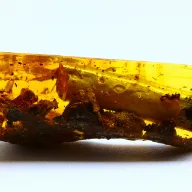 Amber
Not a stone at all: tree resin that leaked out forty million years ago and went hard.
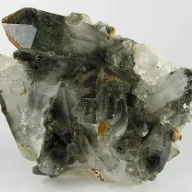 Chlorite
The green that gets into everything: a whole family of soft micaceous minerals, and the ghost inside phantom quartz.
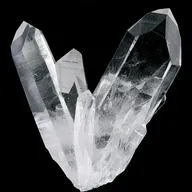 Clear quartz
The plain one, and the one the modern world actually runs on.
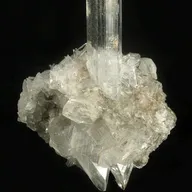 Selenite
Gypsum in satin fibres, soft enough to mark with a fingernail.
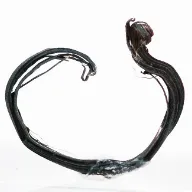 Silver
The metal of the moon, grown in wires and ferns in the veins of the earth.
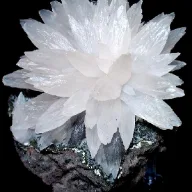 Calcite
The commonest carbonate on Earth, and the crystal that showed physicists light has two paths.
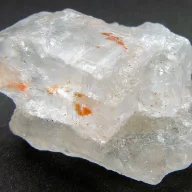 Halite
Rock salt: perfect cubes that will dissolve in a damp room.
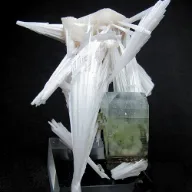 Zeolite
Minerals built like sponges at the atomic scale, which is why industry uses more of them than jewellers do.
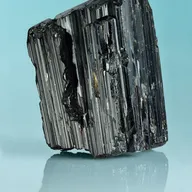 Black tourmaline
The stone that pulls ash out of a pipe when you warm it.
Columbianite
Colombian volcanic glass, sold as a tektite it is not.
 Aegirine
Black pyroxene needles from the strangest rocks on the planet.
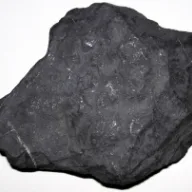 Shungite
Two-billion-year-old carbon rock from Karelia, and a great deal of nonsense.
Sleep and dreams
Rest, protection at night and dreams worth remembering, with the stone under the pillow or by the bed.
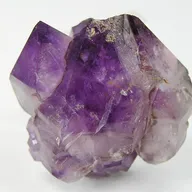 Amethyst
Quartz that grew purple in the dark, and the stone everyone starts with.
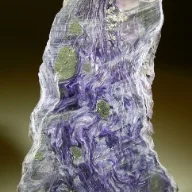 Charoite
A violet rock that exists in one valley in Siberia and nowhere else on Earth.
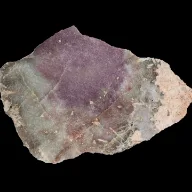 Lepidolite
Lilac mica, and the rock the world's lithium was first found in.
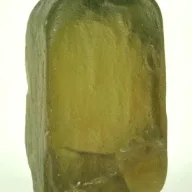 Zircon
The oldest thing on earth is a grain of it, and no, it is not cubic zirconia.
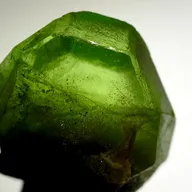 Peridot
Green olivine from the mantle, and occasionally from space.
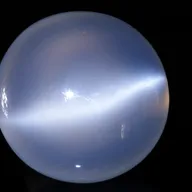 Moonstone
Feldspar with a light inside it that moves when the stone does.
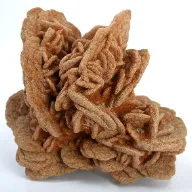 Baryte
The heavy stone: barium sulfate, and the reason a rose can grow in the desert.
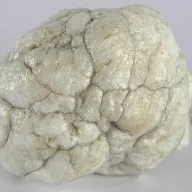 Howlite
White nodules with black veins, and the most dyed mineral in the trade.
Divination and intuition
Scrying, reading the cards, dream work and the inner eye, best at the full moon.
Amethyst
Quartz that grew purple in the dark, and the stone everyone starts with.
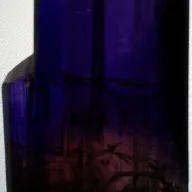 Tanzanite
One hill in Tanzania has all of it, and it was only found in 1967.
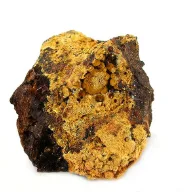 Cacoxenite
Golden needles in iron ore, named the bad guest because they ruined the smelt.
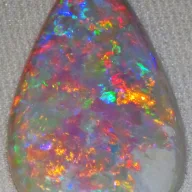 Opal
Water and silica in tiny stacked spheres, splitting light into colour.
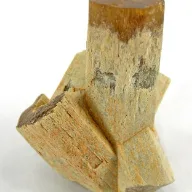 Beryl
One mineral, six famous names: emerald, aquamarine, morganite and the rest are all this.
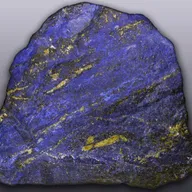 Lapis lazuli
A blue rock with gold in it, mined in one valley for six thousand years.
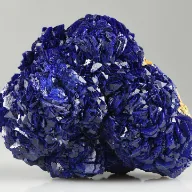 Azurite
The deep blue of copper, and the blue of half the paintings in Europe before 1700.
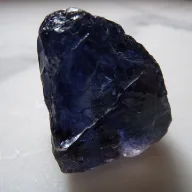 Iolite
Cordierite: violet-blue from one side, straw yellow from another.
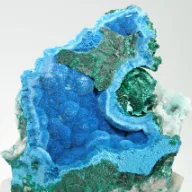 Shattuckite
A copper silicate in a blue that only copper manages, from a mine in Arizona.
Clear quartz
The plain one, and the one the modern world actually runs on.
Moonstone
Feldspar with a light inside it that moves when the stone does.
Silver
The metal of the moon, grown in wires and ferns in the veins of the earth.
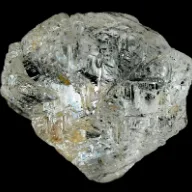 Phenakite
A beryllium silicate so like quartz that it was named the deceiver.
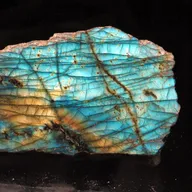 Labradorite
A dull grey stone until you turn it, and then it is peacock blue.
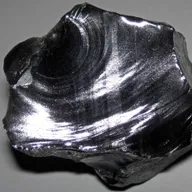 Obsidian
Volcanic glass with an edge finer than a surgical steel blade.
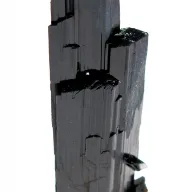 Arfvedsonite
A black amphibole with a blue flash, named for the man who found lithium.
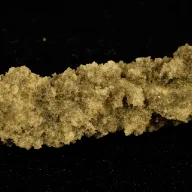 Fulgurite
Sand struck by lightning and fused, in a second, into hollow glass.
Indigo gabbro
A Madagascan rock sold under a wizard name it was given in 2010.
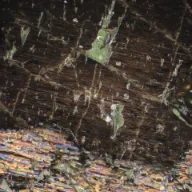 Nuummite
Three-billion-year-old Greenlandic rock that flashes gold and copper.
Protection
Wards, amulets and shields, against harm, ill will, the evil eye and the dangers of the road. Mars's work, defensive rather than warlike, done as the moon wanes to drive harm off.
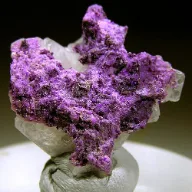 Sugilite
A purple that only exists because one manganese mine in the Kalahari flooded the right way.
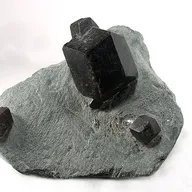 Garnet
Not one mineral but a whole family, and half of it ends up as sandpaper.
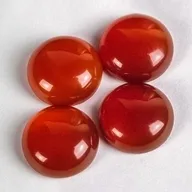 Carnelian
Orange chalcedony, and the stone hot wax will not stick to.
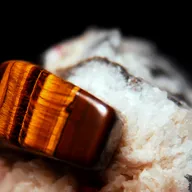 Tiger's eye
A stripe of light that slides across the stone when you tilt it.
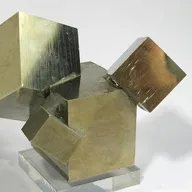 Pyrite
Fool's gold, in cubes so sharp they look machined.
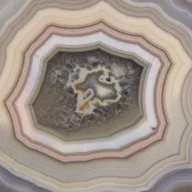 Agate
Chalcedony laid down in bands, one over the next, inside a bubble in old lava.
Amber
Not a stone at all: tree resin that leaked out forty million years ago and went hard.
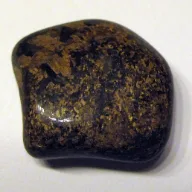 Bronzite
A dark pyroxene with a bronze sheen, from the same family the meteorites are full of.
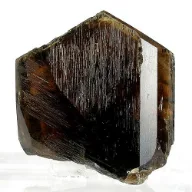 Chrysoberyl
The third hardest gem there is, no relation to beryl, and the only true cat's eye.
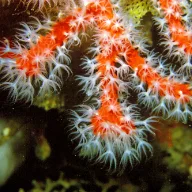 Red coral
The skeleton of a slow-growing animal, worn as a gem for five thousand years.
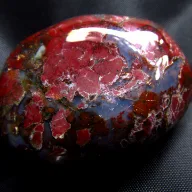 Jasper
Opaque chalcedony, stained by whatever the sediment happened to hold.
 Ruby
Corundum with chromium in it, and for centuries the most expensive stone on earth.
 Sardonyx
Red-brown and white in straight bands, and the Roman world's seal stone.
Zircon
The oldest thing on earth is a grain of it, and no, it is not cubic zirconia.
Peridot
Green olivine from the mantle, and occasionally from space.
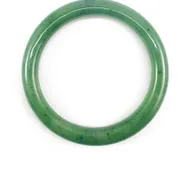 Jade
Two different minerals under one name, and the toughest stone on this page.
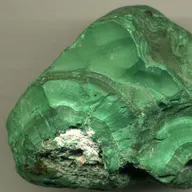 Malachite
Copper gone green, in bands you can read like tree rings.
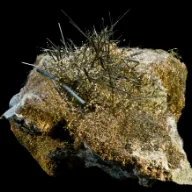 Actinolite
Green needles of amphibole, and the mineral half of all jade is made of.
 Bloodstone
Dark green chalcedony spotted with red, and one of the two birthstones of March.
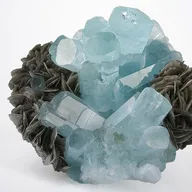 Aquamarine
Beryl the colour of shallow water, in crystals a metre long.
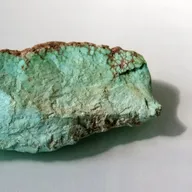 Turquoise
The stone that takes up whatever you soak it in, including your hand cream.
Moonstone
Feldspar with a light inside it that moves when the stone does.
Silver
The metal of the moon, grown in wires and ferns in the veins of the earth.
Halite
Rock salt: perfect cubes that will dissolve in a damp room.
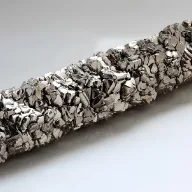 Titanium
The ninth commonest element in the crust, and almost never found as a metal.
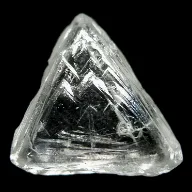 Diamond
Carbon, arranged the hard way, and carried up from two hundred kilometres down.
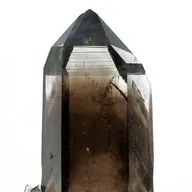 Smoky quartz
Quartz turned brown by the radioactivity of its own bedrock.
Labradorite
A dull grey stone until you turn it, and then it is peacock blue.
Obsidian
Volcanic glass with an edge finer than a surgical steel blade.
Black tourmaline
The stone that pulls ash out of a pipe when you warm it.
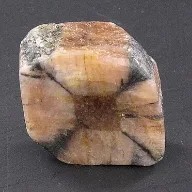 Chiastolite
An andalusite that grows a dark cross inside itself, and was sold for centuries as a Christian charm.
Columbianite
Colombian volcanic glass, sold as a tektite it is not.
Aegirine
Black pyroxene needles from the strangest rocks on the planet.
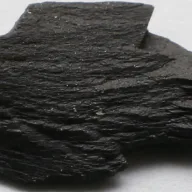 Jet
Fossil driftwood, black and warm in the hand, and Victorian mourning.
Nuummite
Three-billion-year-old Greenlandic rock that flashes gold and copper.
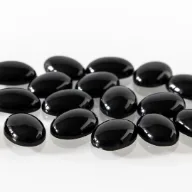 Onyx
Straight-banded chalcedony, and the black stone that is nearly always dyed.
Shungite
Two-billion-year-old carbon rock from Karelia, and a great deal of nonsense.
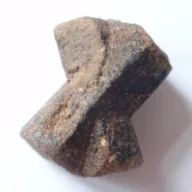 Staurolite
Two crystals grown through each other at sixty degrees, which comes out as a cross.
Courage and drive
Nerve, energy, starting things and seeing them through, worked as the moon waxes.
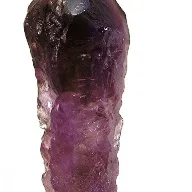 Ametrine
Amethyst and citrine in the same crystal, from one mine in the Bolivian jungle.
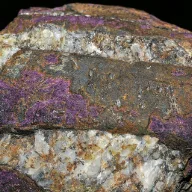 Purpurite
A pegmatite phosphate that rusted purple instead of brown.
Garnet
Not one mineral but a whole family, and half of it ends up as sandpaper.
Carnelian
Orange chalcedony, and the stone hot wax will not stick to.
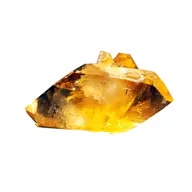 Citrine
Yellow quartz, except that most of it is amethyst that has been in an oven.
Tiger's eye
A stripe of light that slides across the stone when you tilt it.
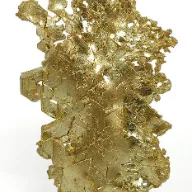 Gold
The one metal that comes out of the ground already finished.
Red coral
The skeleton of a slow-growing animal, worn as a gem for five thousand years.
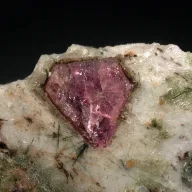 Eudialyte
Raspberry grains in grey Arctic rock, named for dissolving easily.
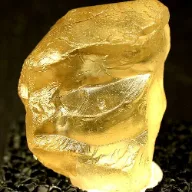 Golden labradorite
Bytownite: a calcium feldspar that cuts into clear champagne gold.
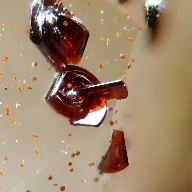 Lepidocrocite
The red half of rust, and the red flecks inside amethyst.
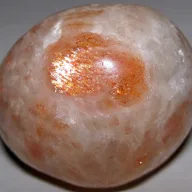 Sunstone
Feldspar full of metal flakes, throwing back the light in orange sparks.
Ruby
Corundum with chromium in it, and for centuries the most expensive stone on earth.
Sardonyx
Red-brown and white in straight bands, and the Roman world's seal stone.
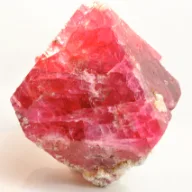 Spinel
Eight hundred years of crown jewels called it a ruby.
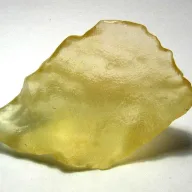 Libyan desert glass
Pale yellow glass lying loose in the Sahara, and a scarab in Tutankhamun's tomb cut from it.
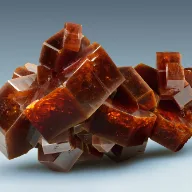 Vanadinite
Hexagonal barrels of orange-red lead vanadate, and the mineral vanadium was found in.
Bloodstone
Dark green chalcedony spotted with red, and one of the two birthstones of March.
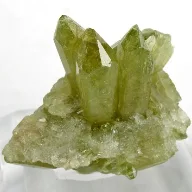 Vesuvianite
Named for the volcano that threw it out, and for looking like several other minerals at once.
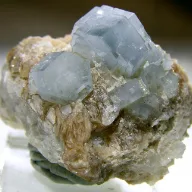 Apatite
The mineral teeth are made of, and the one that gives 5 on the Mohs scale its meaning.
Titanium
The ninth commonest element in the crust, and almost never found as a metal.
Diamond
Carbon, arranged the hard way, and carried up from two hundred kilometres down.
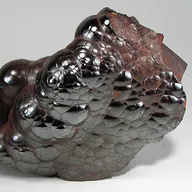 Hematite
Black as a mirror, and it leaves a blood-red line on anything you scratch it against.
Agni manitite
A black glass from Java, sold as a tektite; volcanic, as it turns out.
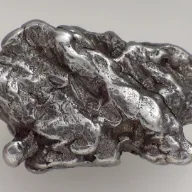 Campo del Cielo
An iron meteorite that fell on the Argentine Chaco four thousand years ago.
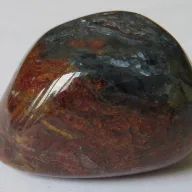 Pietersite
Tiger's eye smashed and cemented back together, so the light swirls.
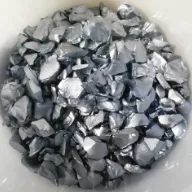 Terahertz stone
Furnace silicon, cut into beads and sold on a claim about radiation it does not emit.
Change and letting go
Transformation, endings, cutting cords and starting over, done as the moon wanes. Pluto is a modern ruler and borrows Mars's day.
Charoite
A violet rock that exists in one valley in Siberia and nowhere else on Earth.
Lepidolite
Lilac mica, and the rock the world's lithium was first found in.
Purpurite
A pegmatite phosphate that rusted purple instead of brown.
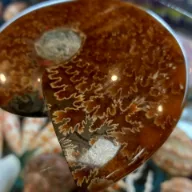 Ammonite
A shell that spiralled through the seas for three hundred million years, turned to stone.
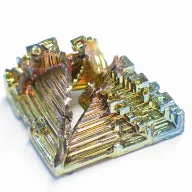 Bismuth
A metal that grows in rainbow staircases — in a saucepan, mostly.
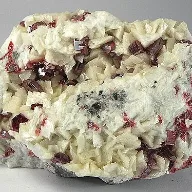 Cinnabar
Mercury ore, the red of every Chinese seal, and the most dangerous mineral in the cabinet.
Spinel
Eight hundred years of crown jewels called it a ruby.
Malachite
Copper gone green, in bands you can read like tree rings.
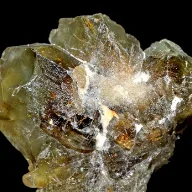 Alexandrite
Green by day and red by lamplight, and named for a tsar who was not yet one.
Chlorite
The green that gets into everything: a whole family of soft micaceous minerals, and the ghost inside phantom quartz.
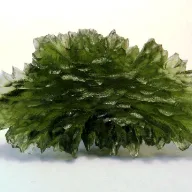 Moldavite
Bohemian glass made by an asteroid hitting Germany fifteen million years ago.
Saussurite
What a feldspar becomes when hot water gets at it for long enough.
Vesuvianite
Named for the volcano that threw it out, and for looking like several other minerals at once.
Selenite
Gypsum in satin fibres, soft enough to mark with a fingernail.
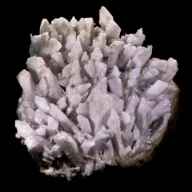 Danburite
A borosilicate that looks exactly like topaz, named after a Connecticut town that paved over the deposit.
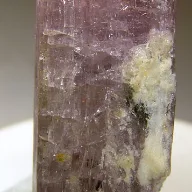 Scapolite
A tetragonal silicate that glows yellow under ultraviolet and fades in the sun.
Zeolite
Minerals built like sponges at the atomic scale, which is why industry uses more of them than jewellers do.
Smoky quartz
Quartz turned brown by the radioactivity of its own bedrock.
Labradorite
A dull grey stone until you turn it, and then it is peacock blue.
Arfvedsonite
A black amphibole with a blue flash, named for the man who found lithium.
Fulgurite
Sand struck by lightning and fused, in a second, into hollow glass.
Campo del Cielo
An iron meteorite that fell on the Argentine Chaco four thousand years ago.
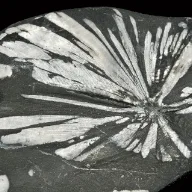 Chrysanthemum stone
Black rock with white mineral flowers that are not fossils.
Pietersite
Tiger's eye smashed and cemented back together, so the light swirls.
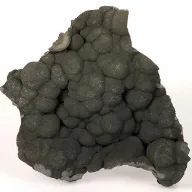 Psilomelane
A field name for the hard black manganese ores, kept alive by lapidaries.
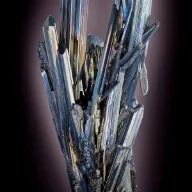 Stibnite
Steel-grey swords in a spray, soft enough to mark with a fingernail, and poisonous.
Study and clear thinking
Learning, memory, exams, decisions and order in a muddle.
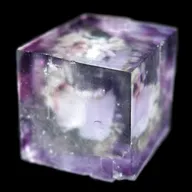 Fluorite
The stone that gave fluorescence its name, in every colour at once.
Ametrine
Amethyst and citrine in the same crystal, from one mine in the Bolivian jungle.
Bismuth
A metal that grows in rainbow staircases — in a saucepan, mostly.
 Scheelite
The tungsten ore that glows electric blue under a lamp in the dark.
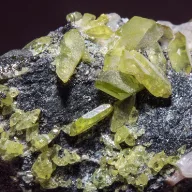 Sphene
Titanite, which throws more fire than a diamond and is far too soft to wear.
Libyan desert glass
Pale yellow glass lying loose in the Sahara, and a scarab in Tutankhamun's tomb cut from it.
Beryl
One mineral, six famous names: emerald, aquamarine, morganite and the rest are all this.
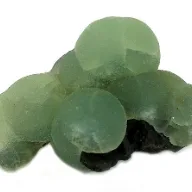 Prehnite
Green botryoidal crusts, usually with black epidote needles through them.
Lapis lazuli
A blue rock with gold in it, mined in one valley for six thousand years.
Azurite
The deep blue of copper, and the blue of half the paintings in Europe before 1700.
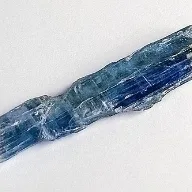 Kyanite
Blue blades with two hardnesses: soft along their length, hard across it.
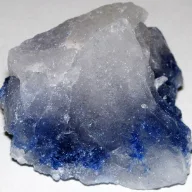 Dumortierite
A blue borosilicate that reaches the shops disguised as quartz.
Iolite
Cordierite: violet-blue from one side, straw yellow from another.
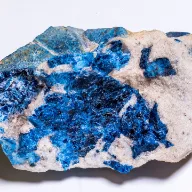 Lazulite
An azure phosphate with a name one letter away from lapis lazuli.
 Sodalite
Royal blue veined with white, and the lapis on the shelf that is not lapis.
Clear quartz
The plain one, and the one the modern world actually runs on.
Calcite
The commonest carbonate on Earth, and the crystal that showed physicists light has two paths.
Phenakite
A beryllium silicate so like quartz that it was named the deceiver.
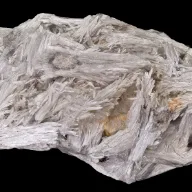 Tremolite
The white amphibole that makes nephrite jade, and, in its fibrous form, asbestos.
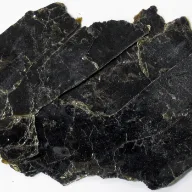 Biotite
Black mica: the flakes in every granite, and sheets big enough to roof a shed.
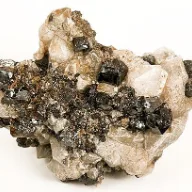 Brookite
Titanium dioxide in its rarest shape: thin red-brown blades grown in Alpine cracks.
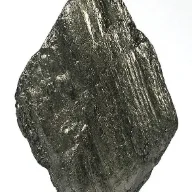 Graphite
Carbon in its soft form: the same element as diamond, stacked in sheets that slide.
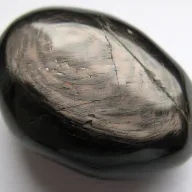 Hypersthene
A bronze-sheened pyroxene whose name the mineralogists retired.
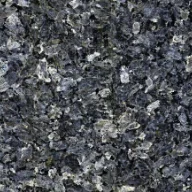 Larvikite
Norway's national rock, and the blue flash on half the shop fronts in Europe.
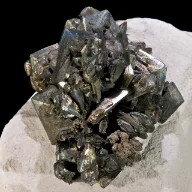 Marcasite
Pyrite's unstable twin, which eats itself in a damp drawer.
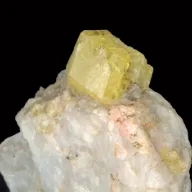 Rhodizite
A caesium borate as hard as topaz, and about as rare as minerals get.
Terahertz stone
Furnace silicon, cut into beads and sold on a claim about radiation it does not emit.
Speaking and being heard
Saying the difficult thing, speaking truthfully, teaching and negotiating, with the stone worn at the throat.
Tanzanite
One hill in Tanzania has all of it, and it was only found in 1967.
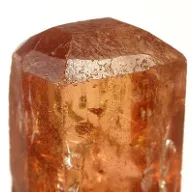 Topaz
Eight on the Mohs scale by definition, and it splits like slate if you hit it right.
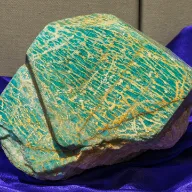 Amazonite
Green feldspar from a river it was never found in.
Aquamarine
Beryl the colour of shallow water, in crystals a metre long.
Lapis lazuli
A blue rock with gold in it, mined in one valley for six thousand years.
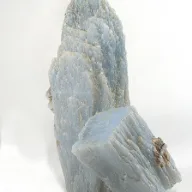 Angelite
Blue anhydrite from Peru: gypsum with the water taken out, and a name the trade gave it.
Apatite
The mineral teeth are made of, and the one that gives 5 on the Mohs scale its meaning.
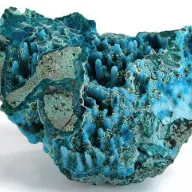 Chrysocolla
Copper turned to blue-green paste, and the flux that Bronze Age goldsmiths soldered with.
Kyanite
Blue blades with two hardnesses: soft along their length, hard across it.
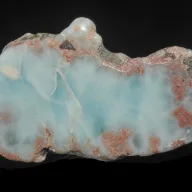 Larimar
Blue pectolite from one hillside in the Dominican Republic and nowhere else.
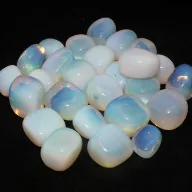 Opalite
Man-made glass, sold as a stone, and honestly rather pretty.
Shattuckite
A copper silicate in a blue that only copper manages, from a mine in Arizona.
Sodalite
Royal blue veined with white, and the lapis on the shelf that is not lapis.
Money and luck
Money, work, business, good fortune and the growth of anything one has planted, worked as the moon waxes. After protection, the oldest kind of charm there is.
 Tourmaline
Thirty-odd minerals sharing one crystal shape, and every colour there is.
Citrine
Yellow quartz, except that most of it is amethyst that has been in an oven.
Tiger's eye
A stripe of light that slides across the stone when you tilt it.
Pyrite
Fool's gold, in cubes so sharp they look machined.
Gold
The one metal that comes out of the ground already finished.
Chrysoberyl
The third hardest gem there is, no relation to beryl, and the only true cat's eye.
Cinnabar
Mercury ore, the red of every Chinese seal, and the most dangerous mineral in the cabinet.
Sunstone
Feldspar full of metal flakes, throwing back the light in orange sparks.
Topaz
Eight on the Mohs scale by definition, and it splits like slate if you hit it right.
Jade
Two different minerals under one name, and the toughest stone on this page.
Alexandrite
Green by day and red by lamplight, and named for a tsar who was not yet one.
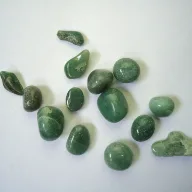 Aventurine
Quartz with a glitter of green mica through it, named by accident.
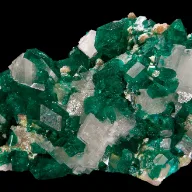 Dioptase
Copper green so convincing that the first crystals sent to Moscow were reported as emeralds.
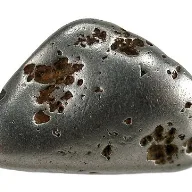 Platinum
Little silver, the Spanish called it, and threw it back in the river.
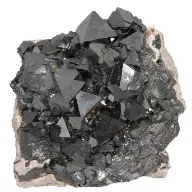 Magnetite
The most magnetic mineral there is, and the first compass.
Staurolite
Two crystals grown through each other at sixty degrees, which comes out as a cross.
Love and friendship
Attraction, affection, reconciliation and friendship, and in the more careful books love of oneself first. Done as the moon waxes. Workings aimed at a named person are the one thing most of the craft advises against.
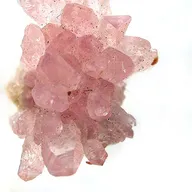 Rose quartz
The pink one, given away more often than it is bought.
 Spodumene
The lithium ore that turns up as pink gem crystals the length of a man.
Tourmaline
Thirty-odd minerals sharing one crystal shape, and every colour there is.
Garnet
Not one mineral but a whole family, and half of it ends up as sandpaper.
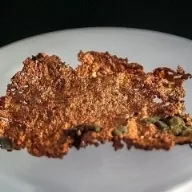 Copper
The first metal anyone ever worked, and one of the few that turns up ready to use.
Eudialyte
Raspberry grains in grey Arctic rock, named for dissolving easily.
Opal
Water and silica in tiny stacked spheres, splitting light into colour.
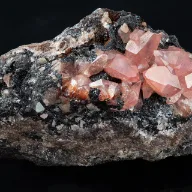 Rhodochrosite
Manganese carbonate in rose red, banded in caves and crystallised in mines.
Ruby
Corundum with chromium in it, and for centuries the most expensive stone on earth.
Sardonyx
Red-brown and white in straight bands, and the Roman world's seal stone.
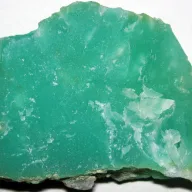 Chrysoprase
Apple-green chalcedony coloured by nickel, and the most valuable of all the quartzes.
Turquoise
The stone that takes up whatever you soak it in, including your hand cream.
Shiva lingam
A Narmada river cobble, ground by hand into an egg and sold as a sacred stone.
Diamond
Carbon, arranged the hard way, and carried up from two hundred kilometres down.
Magnetite
The most magnetic mineral there is, and the first compass.
Calm and peace
Easing a worry, settling a house, keeping the peace in a quarrel: Venus in her gentler mood, worked as the moon wanes.
Amethyst
Quartz that grew purple in the dark, and the stone everyone starts with.
Fluorite
The stone that gave fluorescence its name, in every colour at once.
Rose quartz
The pink one, given away more often than it is bought.
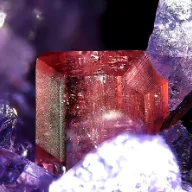 Phosphosiderite
A soft lilac iron phosphate, named after the two things in it.
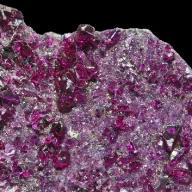 Kämmererite
Chlorite with chromium in it, in a magenta nothing else reaches.
Lepidolite
Lilac mica, and the rock the world's lithium was first found in.
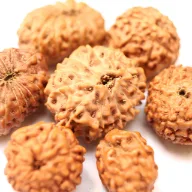 Rudraksha
The stone of a fruit, not of the ground, and the oldest prayer bead in India.
Topaz
Eight on the Mohs scale by definition, and it splits like slate if you hit it right.
Amazonite
Green feldspar from a river it was never found in.
Prehnite
Green botryoidal crusts, usually with black epidote needles through them.
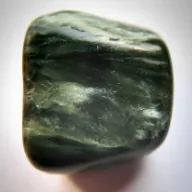 Seraphinite
Dark green chlorite with silver feathers running through it.
Aquamarine
Beryl the colour of shallow water, in crystals a metre long.
Angelite
Blue anhydrite from Peru: gypsum with the water taken out, and a name the trade gave it.
Chrysocolla
Copper turned to blue-green paste, and the flux that Bronze Age goldsmiths soldered with.
Larimar
Blue pectolite from one hillside in the Dominican Republic and nowhere else.
Opalite
Man-made glass, sold as a stone, and honestly rather pretty.
Sodalite
Royal blue veined with white, and the lapis on the shelf that is not lapis.
Selenite
Gypsum in satin fibres, soft enough to mark with a fingernail.
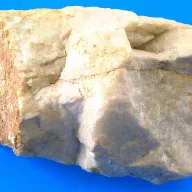 Amblygonite
A lithium phosphate from the pegmatites, and the palest yellow gem you have never heard of.
Howlite
White nodules with black veins, and the most dyed mineral in the trade.
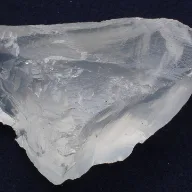 Petalite
The mineral lithium was discovered in, and it looks like nothing at all.
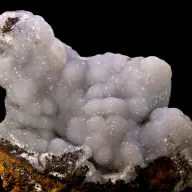 Smithsonite
Zinc carbonate in botryoidal crusts, named after the man who founded the Smithsonian.
Tremolite
The white amphibole that makes nephrite jade, and, in its fibrous form, asbestos.
Chrysanthemum stone
Black rock with white mineral flowers that are not fossils.
Grounding and endurance
Coming back down after a ritual, staying with a long job, patience, and the ancestors.
Agate
Chalcedony laid down in bands, one over the next, inside a bubble in old lava.
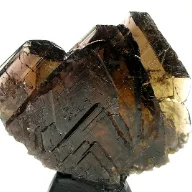 Axinite
Clove-brown wedges of a boron silicate, sharp enough to be named for an axe.
Bronzite
A dark pyroxene with a bronze sheen, from the same family the meteorites are full of.
Jasper
Opaque chalcedony, stained by whatever the sediment happened to hold.
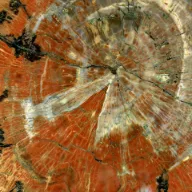 Petrified wood
A tree that became quartz cell by cell, and kept its grain.
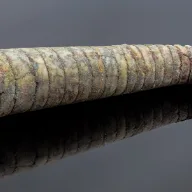 Orthoceras
A straight-shelled squid relative that died four hundred million years ago.
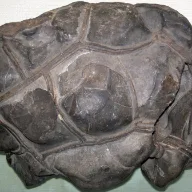 Septarian
A mud nodule that cracked from the inside and filled its own cracks with calcite.
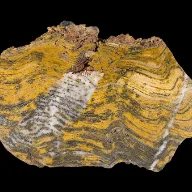 Stromatolite
Three and a half billion years of bacterial mats, turned to stone in layers.
Actinolite
Green needles of amphibole, and the mineral half of all jade is made of.
Baryte
The heavy stone: barium sulfate, and the reason a rose can grow in the desert.
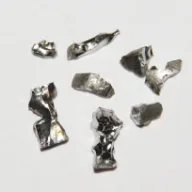 Iridium
The most corrosion-proof metal there is, and the layer that dates the end of the dinosaurs.
Cradle of Humankind stone
Ordinary grey chalcedony from an extraordinary place outside Johannesburg.
Platinum
Little silver, the Spanish called it, and threw it back in the river.
Smoky quartz
Quartz turned brown by the radioactivity of its own bedrock.
Hematite
Black as a mirror, and it leaves a blood-red line on anything you scratch it against.
Chiastolite
An andalusite that grows a dark cross inside itself, and was sold for centuries as a Christian charm.
Graphite
Carbon in its soft form: the same element as diamond, stacked in sheets that slide.
Larvikite
Norway's national rock, and the blue flash on half the shop fronts in Europe.
Magnetite
The most magnetic mineral there is, and the first compass.
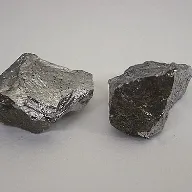 Manganese
The metal that makes steel tough, and that never occurs native.
Onyx
Straight-banded chalcedony, and the black stone that is nearly always dyed.
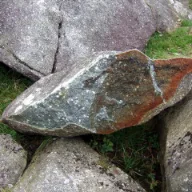 Preseli bluestone
The spotted dolerite of Stonehenge, from a Welsh hillside 250 kilometres away.
Psilomelane
A field name for the hard black manganese ores, kept alive by lapidaries.
Shungite
Two-billion-year-old carbon rock from Karelia, and a great deal of nonsense.
Comfort and recovery
Grief, recovery after illness or exhaustion, and forgiving oneself. In the old scheme the Sun is the planet of health and vitality. None of it is medicine.
Rose quartz
The pink one, given away more often than it is bought.
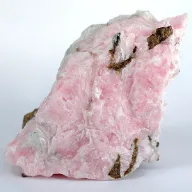 Bustamite
A pale pink manganese silicate from the world's strangest ore bodies, and rhodonite's quieter cousin.
Phosphosiderite
A soft lilac iron phosphate, named after the two things in it.
Spodumene
The lithium ore that turns up as pink gem crystals the length of a man.
Sugilite
A purple that only exists because one manganese mine in the Kalahari flooded the right way.
Ammonite
A shell that spiralled through the seas for three hundred million years, turned to stone.
Rhodochrosite
Manganese carbonate in rose red, banded in caves and crystallised in mines.
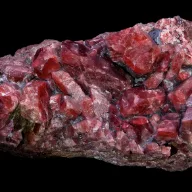 Rhodonite
Pink manganese silicate veined with the black oxide it turns into.
Septarian
A mud nodule that cracked from the inside and filled its own cracks with calcite.
Peridot
Green olivine from the mantle, and occasionally from space.
Chrysoprase
Apple-green chalcedony coloured by nickel, and the most valuable of all the quartzes.
Dioptase
Copper green so convincing that the first crystals sent to Moscow were reported as emeralds.
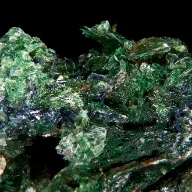 Fuchsite
Muscovite that took up chromium and turned green and glittering.
Seraphinite
Dark green chlorite with silver feathers running through it.
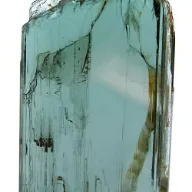 Zoisite
A grey-green rock mineral that produced two of the century's fashionable gems.
Angelite
Blue anhydrite from Peru: gypsum with the water taken out, and a name the trade gave it.
Danburite
A borosilicate that looks exactly like topaz, named after a Connecticut town that paved over the deposit.
Smithsonite
Zinc carbonate in botryoidal crusts, named after the man who founded the Smithsonian.
Jet
Fossil driftwood, black and warm in the hand, and Victorian mourning.
Preseli bluestone
The spotted dolerite of Stonehenge, from a Welsh hillside 250 kilometres away.